November 24, 2025
The Space Between
In art and in life, what we leave out is often as important as what we include. Reflections on negative space, silence, and the power of restraint.
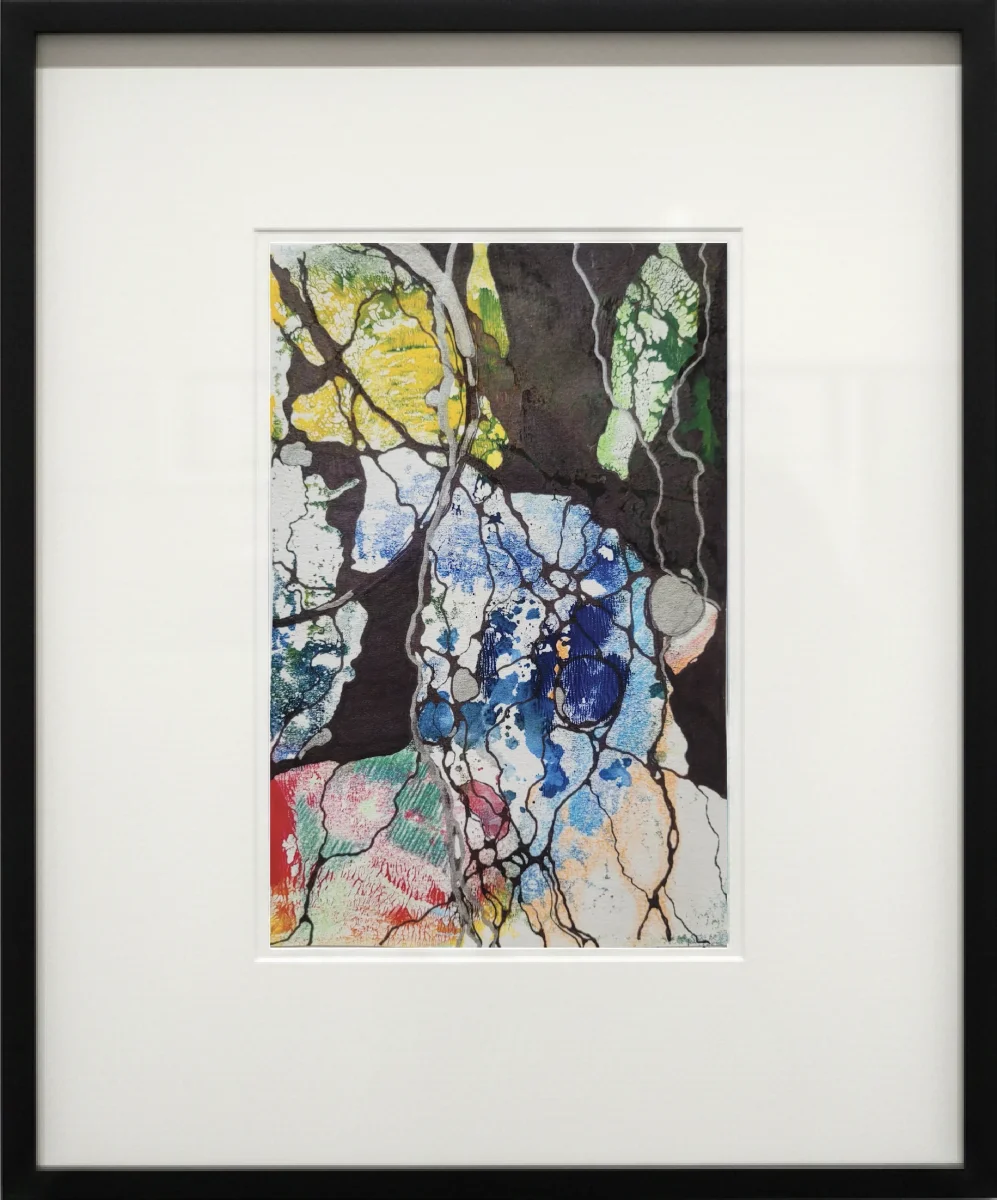
There's a concept in Japanese aesthetics called 'ma'—the space between things, the pause, the interval. It's not emptiness, but rather a pregnant void, full of potential and meaning. This idea has profoundly influenced how I think about composition, both in my art and in my life.
Western art education often focuses on what to put in: more detail, more complexity, more information. But I've become increasingly interested in what to leave out. In the power of restraint. In the eloquence of silence.
Learning to Subtract
One of the hardest lessons I've learned as an artist is when to stop. Not just when a piece is finished, but when to resist the urge to add more. More color, more texture, more elements. There's always a temptation to fill every space, to make sure the viewer doesn't miss anything. But this impulse often weakens rather than strengthens the work.
I think of it like music. A piece of music isn't just the notes—it's the spaces between the notes. The rests, the pauses, the moments of silence that give the notes meaning and impact. Without those spaces, music becomes noise. The same is true in visual art.
In my recent work, I've been experimenting with increasingly minimal compositions. Large areas of a single color, interrupted by just a few gestural marks. At first, this felt uncomfortable, even wrong. Surely I needed to do more? But as I sat with these pieces, I realized that the empty spaces weren't empty at all. They were breathing room. They were places for the eye to rest, for the mind to wander, for the viewer to bring their own experience to the work.
Negative Space as Active Element
In composition, we talk about negative space—the area around and between the subjects of an image. But I prefer to think of it as active space. It's not passive or empty; it's an essential part of the composition, as carefully considered as any mark or color.
When I'm working, I'm constantly aware of the relationship between what's there and what's not there. A single line across a canvas creates two spaces, and both matter. The shape of the unpainted area is as important as the shape of the painted one. This awareness changes everything about how you compose.
I've started to see this principle everywhere. In architecture, where the spaces between buildings create the character of a street. In conversation, where the pauses can be more meaningful than the words. In daily life, where the moments of doing nothing are often when the most important things happen—when we process, integrate, simply be.
The Courage of Restraint
It takes courage to leave space. To trust that less might be more. To resist the urge to explain everything, to fill every silence, to make sure you're understood. There's a vulnerability in restraint—you're giving the viewer more responsibility, more agency. You're trusting them to meet you halfway.
But this is also where the most meaningful connections happen. When you leave space for interpretation, for imagination, for personal meaning, you invite the viewer into a collaboration. The work becomes not just what you made, but what they experience. And that experience will be different for each person, shaped by their own history, their own associations, their own way of seeing.
This is what I'm after in my work now: not to tell people what to feel or think, but to create spaces where feeling and thinking can happen. To offer not answers but questions. To trust in the power of the space between.
Join the Journey
Stay in Touch
Get notified when I share new work, thoughts on creativity, and stories from the studio. No spam, just art.